November 4, 2026
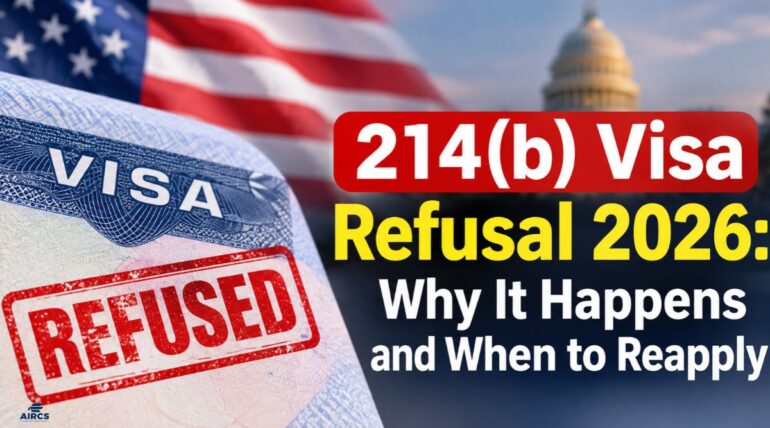
A 214(b) visa refusal means the consular officer was not satisfied that you will return to Pakistan after a temporary US visit. It is a leading cause of B1/B2 refusals, and it is not a permanent ban. If you applied once and were turned down, you can apply again with a stronger case. This guide explains what the refusal means, why it happens and when to reapply.
Table of Contents
ToggleWhat Is a 214(b) Visa Refusal?
A 214(b) visa refusal is a decision under Section 214(b) of the US Immigration and Nationality Act. Under 8 U.S. Code Section 1184(b), every visa applicant is treated as a possible immigrant until the applicant proves otherwise. So it is your job to prove you will return. You must show a home in Pakistan that you do not plan to leave and a clear, temporary reason for the trip.
The decision covers only that application. It cannot be appealed or waived, so the remedy is a new application.
Difference Between 214(b) and 221(g)
A 221(g) letter means the officer needs more documents or more checks, so the case can still end in approval. A 214(b) refusal is final for that application. Check the section number on your refusal letter before you decide what to do next.
Common Reasons for a 214(b) Visa Refusal
Most B1/B2 refusal reasons come down to one question: does the applicant have enough reasons to return home? These gaps appear most often:
- Weak ties: no stable job, business, property or close family in Pakistan.
- Unclear purpose: no itinerary, no host details, or no reason for the timing of the trip.
- Weak financial proof: a bank balance that does not match your income, or large deposits with no documented source.
- Inconsistent information: interview answers that differ from the DS-160 or your documents.
- Profile mismatch: a trip purpose that does not fit a visitor visa, such as signs that you plan to work or study.
Officers weigh these points together. No single document guarantees approval.
Steps to Take When a US Visit Visa Is Refused
After a refusal, follow these five steps before you apply again:
- Read the refusal letter and note the section number.
- Write down every interview question and your answer while you still remember them.
- Compare those answers with your DS-160 and the documents you submitted.
- Find the missing tie or document, such as proof of where your income comes from.
- Decide whether your situation has changed enough to justify a new application.
When to Reapply After a US Visa Rejection
You can reapply at any time, because no official waiting period follows a 214(b) visa refusal. A new application works only when it shows new or stronger evidence of your ties and your travel purpose. Our advice: allow three to six months to build that evidence. This is a practical guideline, not a government rule.
Changes That Strengthen a New Application
- A new or better job, or a longer work record
- A registered business with tax and bank records
- Property, marriage, or dependants in your care
- Trips to other countries with on-time returns
- A detailed trip plan with dates, host and budget
Errors That Lead to a Repeat Refusal
Every new DS-160 must mention the earlier refusal. Giving false information can make you permanently ineligible for US visas, so never hide a refusal or submit documents you cannot verify. Also avoid large unexplained bank deposits before the interview, and rehearsed answers that do not match your real plans.
Not sure your profile has changed enough? Call or WhatsApp +92 311 4464274, or book an appointment with an AIRCS consultant to review your refusal letter, DS-160 and documents. The final decision rests with the US consular officer, and no consultant can promise approval.
How to Prepare a New Application After a 214(b) Visa Refusal
A new application needs better evidence, not just a new form. Prepare it in this order:
- Define the trip: dates, city, host or hotel, and estimated budget.
- Match your finances: salary slips, tax records or business accounts that agree with your bank statements.
- Document your ties: employment letter, business registration, property papers and family details.
- Complete a new DS-160 accurately and answer the prior-refusal question honestly.
- Prepare short, truthful answers about your trip purpose, funding and return plans.
Our USA visit visa service can help with this, and our USA country guide covers other US options for Pakistani applicants.
Application Process and Fees for Pakistani Applicants
Pakistani applicants apply at the US Embassy in Islamabad or the US Consulate General in Karachi. The State Department tells applicants to book at the embassy or consulate in their country of nationality or residence, and warns that applying elsewhere may make it harder to qualify and mean a longer wait.
The B1/B2 application fee is $185 and is not refunded. Each new application needs a new payment, a new DS-160 and a new interview. A $250 visa integrity fee was created by law in July 2025, but as of November 2026 it does not appear on the State Department fee schedule. Check current amounts on the official fees page before you pay. Interview waivers were narrowed in September 2025, so most applicants now attend in person, and appointment wait times change often.
Frequently Asked Questions
Is a 214(b) visa refusal permanent?
No. It applies to one application only. You can apply again with a new DS-160, a new fee and a new interview.
Can I appeal a 214(b) refusal?
No. There is no appeal or waiver. The only remedy is a new application with stronger evidence.
How soon can I reapply after a US visa rejection?
Right away, since the law sets no waiting period. Apply when your job, business, family or travel record has changed in a meaningful way.
Does a previous refusal affect future applications?
You must disclose it on every new DS-160. It is not an automatic bar, but your new file should answer the earlier concern directly.
Consult AIRCS Before You Reapply
AIRCS offices in Rawalpindi, Islamabad and Faisalabad help applicants review refusal letters and prepare documents for a new application. Read our success stories to see past client outcomes, then call or WhatsApp +92 311 4464274, or use the contact page to book a consultation.